
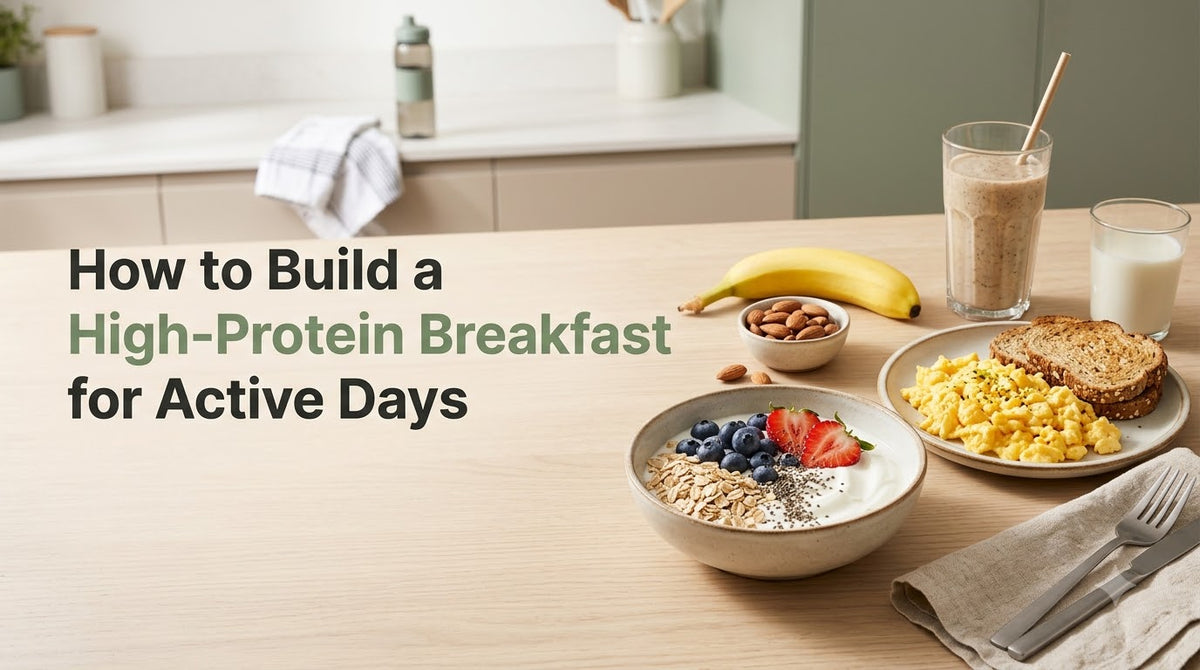
Starting the day with a balanced high-protein breakfast can help active people meet their daily nutritional needs, prepare for exercise, and support muscle recovery. Whether you are heading to the gym, cycling to work, training for an event, or managing a physically demanding schedule, choosing the right combination of protein, carbohydrates, healthy fats, and fibre can make breakfast more satisfying and practical.
However, a nutritious breakfast does not need to be complicated. Simple ingredients such as eggs, Greek yoghurt, oats, wholegrain bread, fruit, nuts, and seeds can form the foundation of a balanced morning meal. The best choice depends on your appetite, training schedule, dietary preferences, and overall nutritional goals.
At Performance, sports nutrition is part of a broader approach to an active lifestyle. Understanding how to combine everyday foods with appropriate nutrition products, when useful, can help you make informed choices that fit your routine.
Why Protein Matters at Breakfast
Protein is an essential nutrient that helps the body maintain and repair tissues. For people who exercise regularly, it also contributes to the muscle adaptation associated with strength training and other forms of physical activity.
Including protein in breakfast is a practical way to distribute protein intake throughout the day instead of consuming most of it at lunch or dinner.
Supporting muscle maintenance and growth
Resistance training places demands on the muscles, and dietary protein supplies the amino acids needed for muscle protein synthesis. When combined with appropriate training, sufficient overall energy intake, and adequate recovery, protein supports muscle maintenance and growth.
A breakfast containing eggs, yoghurt, cottage cheese, tofu, or another protein source can contribute to these daily requirements.
Contributing to recovery after exercise
Exercise recovery involves several factors, including nutrition, sleep, hydration, and rest. Protein provides the building blocks needed to repair and adapt to exercise-related muscle stress.
Pairing protein with carbohydrate-rich foods can be particularly useful after demanding workouts because carbohydrates help replenish muscle glycogen, the body's stored form of energy.
Helping you feel satisfied
Protein can contribute to feelings of fullness after eating. Combining it with fibre-rich foods, such as oats, fruit, and wholegrain bread, can make breakfast more satisfying and help you manage hunger during a busy morning.
Meeting daily protein requirements
Protein needs vary according to body weight, age, activity level, training goals, and overall diet. Someone who exercises occasionally may have different requirements from a competitive athlete or a person undertaking regular strength training.
Rather than focusing exclusively on breakfast, consider how it contributes to your complete daily intake. Consistently eating appropriate amounts of protein across meals is a useful starting point.
The Key Components of a Balanced High-Protein Breakfast
A nutritious breakfast involves more than maximising protein. Combining several food groups provides a wider range of nutrients and helps match your meal to the demands of your day.
1. Choose a protein source
Start with one or more foods that provide meaningful amounts of protein.
-
Eggs and egg whites: Versatile options for scrambled eggs, omelettes, and breakfast sandwiches.
-
Greek yoghurt: A convenient choice for yoghurt bowls and overnight oats.
-
Cottage cheese: Works well with fruit, nuts, wholegrain toast, or savoury vegetables.
-
Milk and fortified alternatives: Dairy milk and some soy drinks provide protein. Check labels because protein content varies considerably between plant-based alternatives.
-
Tofu: A useful plant-based option for savoury breakfasts and scrambles.
-
Beans and lentils: Supply protein and fibre and can be included in savoury breakfast dishes.
-
Protein powder: Can supplement a meal when convenient, although it is not essential for everyone.
2. Add carbohydrates for energy
Carbohydrates are an important fuel source, particularly during moderate- to high-intensity exercise. They can help support training and replenish energy stores.
Useful breakfast choices include:
-
Oats and wholegrain cereals
-
Wholegrain bread and toast
-
Bananas, berries, apples, and other fruit
-
Wholegrain wraps
-
Unsweetened muesli
Adjust the portion to your activity level, appetite, and the time between breakfast and exercise. A demanding cycling session may require more carbohydrate than a short, easy workout.
3. Include healthy fats
Fats contribute to a balanced diet and help the body absorb fat-soluble vitamins. Nuts, seeds, nut butter, and avocado are practical breakfast ingredients.
For example, a spoonful of peanut butter in oatmeal or a small portion of seeds in Greek yoghurt adds flavour and nutrients. If you are eating immediately before intense exercise, keep the fat content moderate because larger amounts can slow digestion for some people.
4. Include fruit or vegetables
Fruit and vegetables supply vitamins, minerals, fibre, and other beneficial plant compounds. Add berries to yoghurt, banana to oatmeal, spinach to scrambled eggs, or tomatoes to a tofu scramble.
The aim is to build a varied meal rather than relying on one nutrient or ingredient.
6 High-Protein Breakfast Ideas for Active Days
The following high-protein breakfast ideas use accessible ingredients and practical serving sizes. Protein estimates are approximate and will vary with the brand, preparation method, and exact quantities used.
1. Greek yoghurt bowl with oats, berries, and seeds
Ingredients for one serving:
-
200 g plain Greek yoghurt
-
40 g rolled oats
-
100 g mixed berries
-
10 g chia seeds
Approximate protein: 25–28 g
Preparation: Add the yoghurt to a bowl and mix in the oats. Top with berries and chia seeds. For a quicker morning, prepare the ingredients in a covered container the night before and refrigerate.
This combination provides protein, carbohydrates, fibre, and a variety of micronutrients. Choose plain yoghurt and add fruit for sweetness if preferred.
2. Scrambled eggs on wholegrain toast
Ingredients for one serving:
-
2 medium-to-large eggs
-
1 slice of wholegrain bread, approximately 40 g
-
A handful of spinach
-
1 teaspoon of olive oil
Approximate protein: 17–19 g
Preparation: Lightly cook the spinach in olive oil. Add the beaten eggs and stir gently until cooked to your preference. Serve with toasted wholegrain bread.
For a higher-protein version, add an egg white or serve with a small portion of cottage cheese. Tomatoes or mushrooms can add further variety.
3. Protein oatmeal with milk, banana, and nut butter
Ingredients for one serving:
-
50 g rolled oats
-
200 ml dairy milk
-
1 medium banana
-
10 g peanut butter
-
15 g whey or suitable plant-based protein powder, optional
Approximate protein: 16–18 g without protein powder, or around 27–30 g with the optional powder.
Preparation: Cook the oats with milk according to the package instructions. Stir in the protein powder after cooking, following its mixing instructions, and top with sliced banana and peanut butter.
This is a useful option before or after training, depending on portion size and timing. If you prefer a lighter pre-workout meal, reduce the portion or leave out the nut butter.
4. Cottage cheese with fruit and nuts
Ingredients for one serving:
-
200 g cottage cheese
-
1 medium apple or pear
-
15 g walnuts or almonds
-
Cinnamon, if desired
Approximate protein: 23–27 g
Preparation: Place the cottage cheese in a bowl, add chopped fruit, and finish with the nuts and a little cinnamon.
This breakfast requires almost no preparation. It provides protein alongside fruit, fibre, and unsaturated fats, making it a convenient option for busy mornings.
5. Tofu scramble with wholegrain toast
Ingredients for one serving:
-
150 g firm tofu
-
2 slices of wholegrain bread, approximately 80 g in total
-
A handful of spinach
-
Chopped tomatoes
-
1 teaspoon of olive oil
-
Pepper, turmeric, and herbs to taste
Approximate protein: 24–28 g
Preparation: Crumble the tofu into a pan with olive oil and seasonings. Add the spinach and tomatoes, then cook until heated through. Serve with wholegrain toast.
Tofu offers a versatile plant-based protein source. Check the nutritional label because tofu varieties differ in protein content.
6. Protein smoothie with fruit and oats
Ingredients for one serving:
-
250 ml dairy milk or a higher-protein alternative
-
1 medium banana
-
30 g oats
-
20 g protein powder, optional
-
A small handful of berries, optional
Approximate protein: 12–14 g without protein powder when using dairy milk, or around 28–32 g with a typical 20 g serving of protein powder. Values vary by product.
Preparation: Blend all the ingredients until smooth. Add water or more milk to adjust the consistency.
A smoothie can be useful when solid food is inconvenient in the morning. However, it may be less filling than a meal that requires chewing, so adjust the ingredients or serve it alongside another food if needed.
How Much Protein Should Your Breakfast Contain?
There is no single ideal protein target for everyone. Breakfast requirements depend on your total daily protein needs, body weight, exercise routine, appetite, and the amount of protein you obtain from other meals.
For many active adults, 20–30 g of protein at breakfast can be a practical example, particularly when they want to distribute protein across several meals. This is an illustrative range, not a universal requirement or a minimum that everyone must reach.
You can build a breakfast in several ways:
-
Combine Greek yoghurt with oats and seeds.
-
Eat eggs with wholegrain toast and an additional protein source if needed.
-
Prepare tofu with vegetables and wholegrain bread.
-
Blend milk, oats, fruit, and protein powder when a convenient option suits your needs.
For context, the European Food Safety Authority sets a population reference intake of 0.83 g of protein per kilogram of body weight per day for healthy adults. People undertaking substantial athletic training may have different needs depending on their training and goals.
For example, an adult weighing 70 kg would calculate this general reference intake as approximately 58 g of protein per day. This is a population reference, not an individual sports nutrition prescription.
Look at your complete daily diet rather than assuming that a particular breakfast amount guarantees better results. A qualified dietitian can help if you need a personalised nutrition plan.
What to Eat Before and After a Workout
Your ideal breakfast depends partly on when you exercise and how much time you have to digest your food.
Before a workout: Prioritise comfort and usable energy
If you train early in the morning, a large breakfast may feel uncomfortable. A smaller meal containing easily digested carbohydrates and some protein can be a better option.
Consider these choices:
-
A banana with a small serving of yoghurt.
-
Toast with a little peanut butter and a glass of milk.
-
A small bowl of oatmeal prepared with milk.
-
A smoothie made with banana, milk, and a modest amount of oats.
Allow more time for digestion after a larger meal, especially before intense exercise. Meals containing substantial amounts of fat or fibre may cause discomfort for some people when eaten too close to training.
For a short, easy session, you may not need a substantial breakfast beforehand. For prolonged endurance exercise or demanding training, carbohydrate needs may be greater. Adjust your approach to the duration and intensity of your workout.
After a workout: Combine protein and carbohydrates
After exercise, a meal containing protein and carbohydrates can help support muscle repair and replenish energy stores.
Practical post-workout breakfasts include:
-
Greek yoghurt with oats, berries, and seeds.
-
Eggs on wholegrain toast with fruit.
-
Protein oatmeal made with milk and banana.
-
A tofu scramble with wholegrain bread.
-
A smoothie with milk, oats, fruit, and optional protein powder.
You do not need to consume protein immediately after every workout to benefit from exercise. Your overall daily intake, meal pattern, and training routine matter. Eating a balanced meal within a reasonable period after training is a practical approach, particularly if you exercised after an overnight fast.
High-Protein Breakfasts for Different Lifestyles
The best breakfast is one that fits your training, schedule, appetite, and dietary preferences.
For gym-goers focused on strength training
Combine a substantial protein source with carbohydrates. Eggs and toast, Greek yoghurt with oats, or tofu with wholegrain bread are practical choices.
Adjust the serving sizes to your daily energy and protein needs. Regular strength training, sufficient overall nutrition, and recovery are all important; increasing protein alone cannot replace an appropriate training programme.
For cyclists and endurance athletes
Carbohydrates deserve particular attention before long rides or demanding endurance sessions. Oatmeal with milk and banana, yoghurt with cereal and fruit, or toast with eggs can provide a combination of carbohydrate and protein.
For longer rides, consider your nutrition during exercise as well as breakfast. The amount of food you need depends on ride duration, intensity, weather, and individual tolerance.
For busy professionals
Choose meals that can be prepared in advance or assembled in minutes.
-
Prepare overnight oats with Greek yoghurt and milk.
-
Keep boiled eggs and wholegrain bread ready in the refrigerator.
-
Portion cottage cheese and fruit into a container.
-
Blend a smoothie when you need a portable breakfast.
Preparing ingredients the evening before can make it easier to maintain a consistent routine without relying on highly processed convenience foods every morning.
For vegetarians and people following plant-based diets
Good options include tofu scramble, soy yoghurt with oats and seeds, fortified soy milk smoothies, and wholegrain toast with hummus or beans.
Combine different plant foods throughout the day to obtain a varied range of amino acids and nutrients. You do not need to combine every plant protein in a single meal, but variety and adequate total protein intake are important.
Check the labels of plant-based drinks and yoghurts because some contain substantially less protein than dairy products or soy-based alternatives.
For people who prefer a light breakfast
Start with a smaller portion, such as a banana and yoghurt, a small smoothie, or one slice of toast with an egg. You can eat a larger meal after exercising if that feels more comfortable.
There is no need to force yourself to eat a large breakfast before training. Consider your appetite, session demands, and how you feel during exercise.
Common High-Protein Breakfast Mistakes
Even a protein-rich meal can be poorly suited to your needs if it ignores other aspects of nutrition.
-
Focusing on protein while neglecting carbohydrates and fibre. Add oats, wholegrain bread, fruit, or other suitable carbohydrate sources to create a more balanced meal.
-
Eating too much before exercise. Reduce portion sizes when training soon after breakfast and save larger meals for when you have more time to digest.
-
Relying entirely on protein shakes. Use shakes when convenient, but include a variety of whole foods to obtain fibre, vitamins, minerals, and other nutrients.
-
Choosing foods based only on protein claims. Read the full nutrition label, including serving size, sugar, fibre, fat, and ingredients. A high-protein label does not automatically make a product the best choice.
-
Ignoring hydration and overall nutrition. Drink fluids regularly and consider your food intake throughout the day, not just at breakfast.
-
Assuming more protein always improves performance. Protein needs have limits in practical terms, and excess intake does not automatically produce greater muscle growth or better athletic results. Training quality, adequate energy, sleep, and recovery also matter.
A balanced breakfast should support your wider routine rather than become another complicated target to achieve.
Can Protein Supplements Help at Breakfast?
Protein supplements can be useful when food preparation is difficult, appetite is limited, or everyday meals do not provide enough protein. They are optional, and many people can meet their needs through ordinary foods.
Common options include:
-
Whey protein: A milk-derived protein that mixes easily into smoothies, milk, or oatmeal. It is unsuitable for people who need to avoid milk proteins.
-
Casein protein: Another milk-derived protein, often available as a powder that can be mixed into yoghurt or other foods.
-
Plant-based protein powders: Products made from sources such as soy, pea, rice, or blends of plant proteins. Their protein content and amino acid profiles vary.
Before choosing a supplement, check the serving size, protein content, ingredient list, allergens, and manufacturer information. Consider independent quality testing where available, particularly if you compete in organised sport and need to minimise contamination risks.
People with allergies, specific dietary requirements, or relevant medical conditions should check whether a product is appropriate for them.
Performance can serve as a sports nutrition resource when you are comparing available nutrition products and learning how they fit into your routine. Check the current product information on performance.be before choosing a specific item. No supplement is necessary simply because you exercise, and a protein powder should complement a suitable diet rather than replace it by default.
A Simple High-Protein Breakfast Planning Guide
You do not need a different recipe every day. Use a simple formula to build meals from ingredients you already enjoy.
-
Choose a protein source: Eggs, Greek yoghurt, cottage cheese, tofu, milk, beans, or another suitable option.
-
Add carbohydrates: Oats, wholegrain bread, cereal, or fruit.
-
Include fruit or vegetables: Try berries, bananas, tomatoes, spinach, or other seasonal produce.
-
Add healthy fats if appropriate: Use nuts, seeds, avocado, or a small amount of nut butter.
-
Adjust the portions: Consider your appetite, training demands, time available before exercise, and daily nutritional requirements.
Here are three combinations for different routines.
Quick weekday breakfast
-
200 g Greek yoghurt
-
40 g oats
-
100 g berries
Approximately 25–28 g protein. Prepare the night before for a convenient morning meal.
Pre-training breakfast
-
1 banana
-
150 g plain Greek yoghurt
-
A small serving of oats, if tolerated
Approximately 15–20 g protein, depending on the yoghurt and oat portion. Keep the meal small enough to feel comfortable during exercise.
Post-workout breakfast
-
2 eggs
-
2 slices of wholegrain bread
-
200 ml dairy milk
-
A piece of fruit
Approximately 25–30 g protein, depending on the bread and milk. This combination provides protein and carbohydrates after training.
These examples are starting points rather than fixed prescriptions. Increase or reduce portions to suit your energy needs and appetite.
Conclusion: Make a High-Protein Breakfast Part of Your Routine
A well-planned high-protein breakfast can help active people meet their daily protein needs, support muscle maintenance and recovery, and create a satisfying start to the day. The most useful approach is to combine protein-rich foods with appropriate carbohydrates, fruit or vegetables, and healthy fats in portions that suit your routine.
Whether you prefer eggs and toast, yoghurt with oats, a plant-based scramble, or a smoothie, consistency and variety matter more than following one perfect recipe. Consider when you exercise, how much time you have to digest breakfast, and what your complete daily diet provides.
Performance supports an active-lifestyle approach to sports nutrition, where practical food choices and informed supplement decisions can work together when appropriate. Build a breakfast routine that is realistic, balanced, and suited to your individual needs.
Frequently Asked Questions
1. What is a good high-protein breakfast for active people?
Greek yoghurt with oats and berries, eggs on wholegrain toast, cottage cheese with fruit, and tofu scramble are all practical options. Choose a combination that provides protein, carbohydrates, and other nutrients suited to your activity level and appetite.
2. How much protein should I eat at breakfast?
There is no universal target. Around 20–30 g can be a useful example for some active adults, but the appropriate amount depends on body weight, training, age, and total daily intake. Focus on meeting your overall nutritional needs rather than a single meal target.
3. What should I eat for breakfast before a workout?
Choose easily digested foods such as a banana with yoghurt, toast with milk, or a small bowl of oatmeal. Keep portions moderate if you are training soon and adjust meal timing to your comfort and exercise intensity.
4. Is a protein shake enough for breakfast?
A protein shake can provide protein, but a shake containing only protein powder and water may not provide enough energy or variety for a complete breakfast. Adding milk or a suitable alternative, oats, fruit, and other ingredients can make it more balanced. Your overall daily diet determines whether additional foods are needed.
5. What are the best plant-based high-protein breakfast options?
Tofu scramble, soy yoghurt with oats and seeds, smoothies made with higher-protein soy milk, and wholegrain toast with beans or hummus are useful choices. Check labels and vary your plant protein sources to help meet your nutritional needs.
6. Should I eat a high-protein breakfast after exercising?
A protein-rich breakfast can be a convenient way to support muscle repair after exercise, especially when it also contains carbohydrates to help replenish energy stores. However, the exact timing is flexible for most people, and your overall daily nutrition matters more than following a rigid post-workout deadline.