
Introduction
Good training is only part of the equation when you want to improve your strength, energy and recovery. What you eat throughout the day can influence how well you train, how you recover between sessions and whether you have enough energy to stay consistent.
A practical approach to performance nutrition does not require a complicated diet or a kitchen full of supplements. It starts with getting the basics right: eating enough food, choosing a balanced mix of carbohydrates, protein and fats, staying hydrated and adjusting your intake around your training.
The right approach will also look different from person to person. Training volume, body size, goals, lifestyle, food preferences and recovery demands all affect nutritional needs. The aim is therefore not to follow a perfect plan, but to build a routine that supports your training and can realistically be maintained.
What Is Performance Nutrition?
Performance nutrition is the use of food, fluids and, where appropriate, supplements to support physical activity, training and recovery. It is not limited to competitive athletes. Anyone who exercises regularly can benefit from paying more attention to how they fuel their body.
The basic idea is simple: your body needs sufficient energy and nutrients to support the demands you place on it.
Carbohydrates provide an important source of energy for many forms of exercise, particularly higher-intensity training. Protein provides amino acids needed for maintaining and repairing muscle tissue, while dietary fats contribute to overall energy intake and support normal bodily functions. Vitamins and minerals also play important roles in maintaining health.
Good nutrition is therefore about more than what you eat immediately before or after a workout. Your overall eating pattern matters.
This is why nutrition for performance should be viewed as a complete daily strategy rather than a single meal, drink or supplement.
A sensible approach can help you:
-
Maintain energy during training
-
Support strength and muscle development
-
Recover between sessions
-
Maintain a balanced diet
-
Stay consistent with your training routine
-
Adapt your nutrition to changing training demands
The goal is not to eat perfectly. It is to provide your body with the resources it needs, consistently.
The Foundations of a Performance Nutrition Plan
A strong performance nutrition plan begins with the fundamentals. Before thinking about specialist products or supplements, make sure your everyday diet provides enough energy and a good variety of nutrients.
Carbohydrates are an important fuel source for exercise. Foods such as oats, rice, potatoes, pasta, bread, fruit and other carbohydrate-rich foods can contribute to your energy intake. The amount you need depends on factors such as your training frequency, intensity and duration.
Someone completing several demanding training sessions each week may need considerably more carbohydrate than someone exercising lightly a couple of times a week. Rather than avoiding carbohydrates, consider how they fit into your overall activity level.
Protein is equally important, particularly for people who participate in resistance training or other activities that place significant demands on muscle. Useful sources include eggs, dairy products, fish, lean meat, beans, lentils, tofu and other protein-rich foods.
Rather than relying on one large serving of protein at the end of the day, it can be practical to include a protein source in several meals across the day.
Dietary fats also have an important place in a balanced diet. Nuts, seeds, olive oil, avocado and oily fish can provide useful sources of unsaturated fats alongside other nutrients. Fat is also an energy-dense nutrient, so portion sizes should fit your individual energy requirements.
Finally, do not overlook fruit, vegetables and other nutrient-rich foods. A varied diet helps provide vitamins, minerals and other compounds that contribute to normal health.
The foundation is therefore straightforward:
-
Eat enough to support your activity and lifestyle.
-
Include a variety of carbohydrate sources.
-
Include protein regularly throughout the day.
-
Include appropriate amounts of dietary fat.
-
Eat a variety of fruit and vegetables.
-
Choose mostly minimally processed, nutrient-rich foods while leaving room for flexibility.
There is no single food combination that creates a successful nutrition strategy. Consistency and overall dietary quality are much more important.
How to Fuel Before and After Training
When it comes to workout nutrition, timing can be useful, but it should not become more complicated than necessary.
Your pre-training meal or snack should give you enough energy without leaving you feeling overly full or uncomfortable. How much you eat and when you eat it will depend on the type of workout, the time available before exercise and your personal tolerance.
For example, a meal containing carbohydrates and a moderate amount of protein a few hours before training may work well for some people. If you only have a short time before exercise, a smaller and simpler snack may be more comfortable.
Suitable options could include:
-
Oats with yoghurt and fruit
-
Toast with eggs
-
Rice with a lean protein source
-
A banana with yoghurt
-
A simple sandwich
These are examples rather than a universal prescription. Some people can comfortably train after a larger meal, while others prefer something lighter.
Pre-workout nutrition is particularly worth considering when training sessions are long, demanding or performed after several hours without food. If you regularly feel low on energy during training, reviewing your food intake before exercise may be useful.
After training, the focus shifts towards recovery. A meal or snack containing protein and carbohydrate can help replenish energy stores and provide nutrients needed for muscle repair and adaptation.
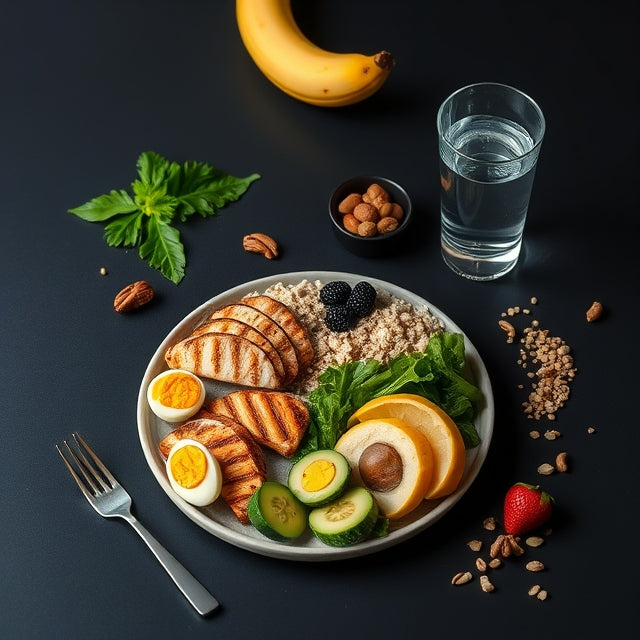
You do not necessarily need a special recovery product. A normal balanced meal can work well. For example, a meal containing rice, vegetables and chicken, or potatoes with fish and vegetables, can provide a combination of carbohydrates, protein and other nutrients.
If a full meal is not practical immediately after training, a simpler snack can be useful until your next proper meal.
The bigger picture matters most. A good post-workout meal cannot compensate for consistently inadequate food intake throughout the rest of the day. Nutrition for recovery works best when it is part of a balanced overall diet.
Hydration and Training Performance
Fluids are another important part of nutrition for performance. Even relatively small changes in hydration can affect how you feel during exercise, particularly when training for longer periods or in warm conditions.
Your fluid requirements are not fixed. They can vary according to exercise intensity, session duration, temperature, humidity, clothing, individual sweat rate and other factors.
For many everyday training sessions, drinking regularly throughout the day and having fluids around exercise is a sensible starting point. During longer or particularly sweaty sessions, you may need to pay closer attention to fluid and electrolyte intake.
Water is often sufficient for ordinary exercise, while drinks containing electrolytes or carbohydrates may have a role during prolonged or demanding activity.
A useful approach is to pay attention to practical signs such as thirst, how you feel during training and how much you are sweating. Avoid treating hydration as a competition to drink as much as possible; excessive fluid intake can also be problematic.
If you train outdoors during hot weather or complete long endurance sessions, your hydration strategy may need to be more deliberate.
In other words, hydration and performance are connected, but there is no single amount of fluid that is appropriate for everyone.
Building Your Own Daily Performance Nutrition Routine
A sustainable nutrition routine should fit around your actual life. The best plan is one you can follow consistently rather than one that looks perfect on paper but becomes difficult after a few days.
Start by looking at your normal week. Consider when you train, how demanding your sessions are, when you have time to prepare food and how your energy levels change throughout the day.
From there, build meals around a few simple principles.
Aim to include a source of protein, a carbohydrate source and a variety of vegetables or fruit across your main meals. Add dietary fats according to your overall needs and preferences.
On training days, you may find that increasing carbohydrate intake around harder sessions helps provide more energy for training. On lighter or rest days, your total food intake may naturally be lower because your energy demands are different.
Your nutrition can therefore change with your training rather than staying identical every day.
It is also useful to monitor how your routine is working. Consider questions such as:
-
Do you have enough energy to complete your workouts?
-
Are you regularly feeling excessively hungry?
-
Are you recovering well between sessions?
-
Are you able to maintain your training consistently?
-
Is your current eating pattern practical with your work and social life?
-
Does your nutrition support your current training goal?
If several answers suggest that something is not working, make small adjustments rather than completely changing your diet.
For example, someone struggling with low energy before evening training might experiment with adding a carbohydrate-rich snack during the afternoon. Someone struggling to eat enough protein could make protein-containing foods a more consistent part of breakfast and lunch.
Supplements can sometimes be useful in specific situations, but they should complement rather than replace a balanced diet. Their suitability depends on the individual, the type of training and the specific product. They are not a substitute for adequate food, fluids and recovery.
Performance.be can be a useful source of information as you develop your approach, but the fundamentals should remain at the centre of your routine.
Common Mistakes to Avoid
One of the most common problems is simply not eating enough. Increasing training without considering your increased energy needs can leave you feeling tired and make it harder to recover properly.
Another mistake is treating carbohydrates as something that must always be restricted. For people who train regularly, carbohydrate-rich foods can be an important part of meeting energy demands.
It is also easy to focus too heavily on supplements. Protein powders, sports drinks and other products can have practical uses, but they cannot compensate for a consistently unbalanced diet.
Poor hydration is another issue. Waiting until you feel extremely thirsty during a long or demanding workout may not be the most effective approach, particularly in hot conditions.
Recovery can also be overlooked. Training creates a stimulus, but your body needs sufficient food, fluids and rest to adapt to that training.
Finally, overly restrictive diets can make it difficult to meet nutritional needs and maintain consistency. Unless there is a specific reason for dietary restriction, a flexible approach that includes a wide range of foods is often easier to maintain.
Instead of constantly searching for a new diet or supplement, focus on improving the basics first. Small, sustainable changes can be much more useful than constantly changing your entire routine.
Frequently Asked Questions
Is performance nutrition only for athletes?
No. Performance nutrition can be relevant to anyone who exercises regularly, including gym-goers, recreational athletes and active adults. The amount and type of food required will depend on the person's training and individual circumstances.
What should I eat before a workout?
A useful pre-training meal or snack generally provides carbohydrates and may include some protein, depending on the timing and type of exercise. The ideal choice varies between individuals, so consider foods that you digest comfortably and that fit the time available before training.
Do I need a protein shake after training?
Not necessarily. A protein shake can be a convenient option when a normal meal is not practical, but protein can also come from foods such as eggs, dairy products, fish, meat, beans, lentils and tofu.
How much water should I drink when exercising?
There is no single amount that applies to everyone. Fluid needs depend on factors such as exercise duration and intensity, temperature and individual sweat losses. Drinking regularly and paying attention to your personal hydration needs is a practical starting point.
Should my nutrition change on rest days?
It can. Your energy requirements may be different when you are not training, although your body still needs adequate protein, carbohydrates, fats, vitamins and minerals. Adjusting portions or carbohydrate intake according to activity can be appropriate, rather than following exactly the same intake every day.
The Practical Takeaway
A useful performance nutrition routine does not need to be complicated. Start with enough food, build meals around carbohydrates, protein and healthy fats, eat a variety of nutrient-rich foods and stay appropriately hydrated.
Then adjust your intake around your training. Harder sessions may require more fuel, while rest days may require less. Pay attention to your energy, hunger, training quality and recovery, and make gradual changes when something is not working.
Most importantly, think beyond the single meal before or after your workout. Consistent daily nutrition provides the foundation that allows your training and recovery routine to work together.